Get Grease Trap Pumping
Grease trap pumping services help property owners remove accumulated fats, oils, and solids to prevent clogs, odors, and plumbing issues in commercial and restaurant facilities.
Property owners in the area often rely on professional grease trap pumping to maintain proper sanitation and prevent costly plumbing issues. Regular maintenance helps ensure that grease, fats, and oils are efficiently removed, reducing the risk of clogs and backups that can disrupt operations or cause unpleasant odors. Whether managing a commercial kitchen or a residential property with a grease trap, connecting with experienced local contractors can provide peace of mind and help keep systems running smoothly.
Exploring your options for grease trap pumping services allows property owners to compare local providers and find solutions tailored to their specific needs. By reviewing the available contractors, you can identify those with relevant experience and a reputation for quality work. Keep reading to discover how local service providers can assist with your grease trap maintenance and help you plan a reliable, effective approach.
- Grease Trap Pumping - needed when grease buildup causes odors or blockages in commercial kitchen drainage systems.
- Grease Trap Cleaning - required to maintain proper function and prevent costly backups in food service establishments.
- Grease Interceptor Servicing - necessary for restaurants and food processors to comply with local waste management regulations.
- Trap Maintenance - essential when signs of overflows or slow drainage appear in commercial or industrial facilities.
- Trap Inspection and Pumping - recommended periodically to ensure grease traps are functioning effectively and prevent environmental issues.
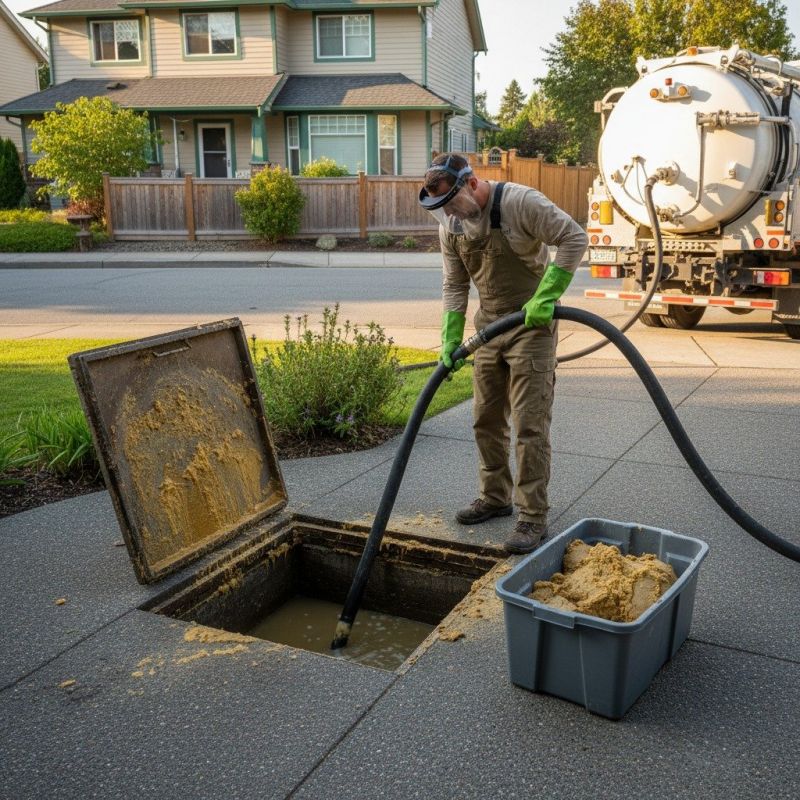
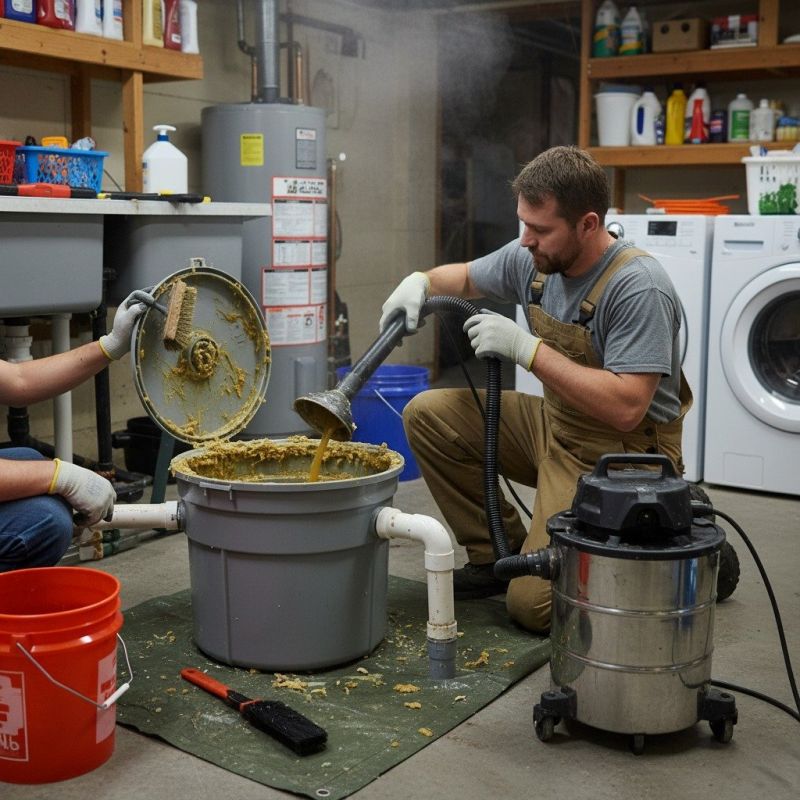
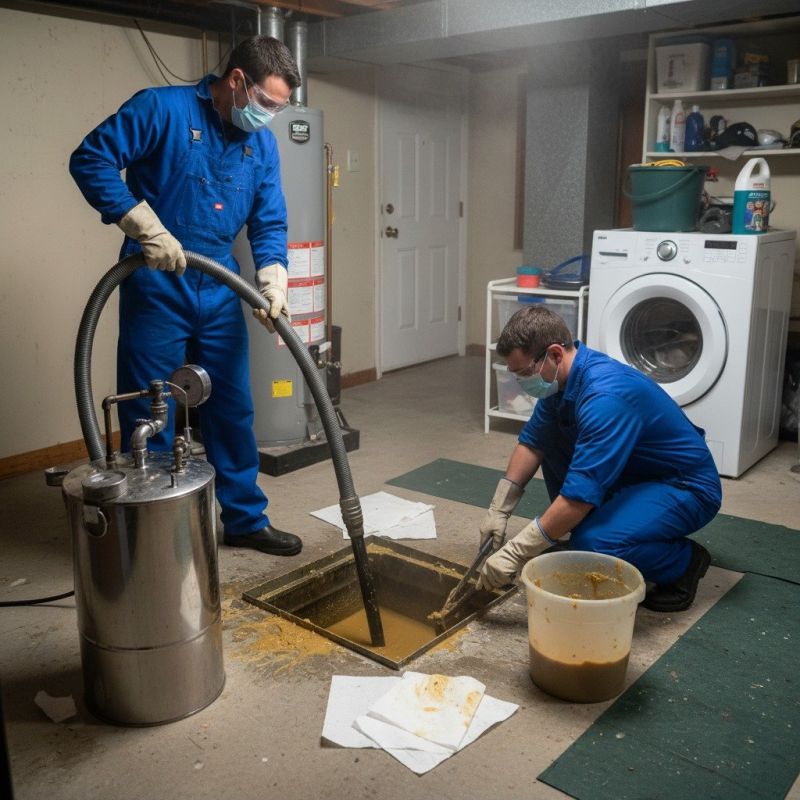
Grease trap pumping is a specialized maintenance service designed to remove accumulated fats, oils, and greases from commercial and residential grease interceptors. Over time, these substances build up inside the trap, reducing its effectiveness and risking blockages or overflows. Professional grease trap pumping involves safely extracting these deposits to ensure the system continues to function properly. Regular pumping helps prevent unpleasant odors, foul backups, and costly plumbing issues that can disrupt property operations or cause damage.
This service addresses common problems caused by neglected grease traps, such as slow drains, foul smells, and potential plumbing backups. When grease and debris are allowed to accumulate excessively, they can clog pipes or cause the trap to fail, leading to messy and expensive repairs. Grease trap pumping is an effective way to maintain a clean and efficient waste management system, especially for properties with high-volume food preparation or dining operations. Proper maintenance also helps property owners stay compliant with local health and safety regulations.
Various types of properties benefit from grease trap pumping services, including restaurants, cafes, catering facilities, and grocery stores. Commercial kitchens generate significant amounts of grease that require regular removal to keep plumbing systems running smoothly. Additionally, some residential properties with large-scale food preparation areas or community kitchens may also need this service. Property managers and business owners often schedule routine pumping to avoid operational disruptions and maintain a hygienic environment.
Homeowners who notice slow drains, foul odors, or gurgling sounds from their kitchen plumbing might also need grease trap pumping. While typically associated with commercial settings, some larger residential properties or multi-unit buildings have grease interceptors that require periodic maintenance. Contacting local service providers can help determine if a property’s grease trap needs attention. Regular pumping by experienced contractors ensures the system remains effective, preventing costly repairs and maintaining a clean, functional kitchen environment.
The overview below groups typical Grease Trap Pumping projects into broad ranges so you can see how smaller, mid-sized, and larger jobs often compare in your area.
In many markets, a large share of routine jobs stays in the lower and middle ranges, while only a smaller percentage of projects moves into the highest bands when the work is more complex or site conditions are harder than average.
Routine Pumping - most standard grease trap pumping jobs cost between $250 and $600. These are typical for maintenance at small to medium-sized facilities and are often completed on a regular schedule. Costs can vary depending on the size of the trap and accessibility.
Large or Complex Jobs - larger projects, such as commercial facilities with bigger traps or difficult access, can range from $1,000 to $3,000 or more. These tend to be less frequent but are necessary for thorough cleaning and maintenance of extensive systems.
Full Replacement - replacing an entire grease trap can cost between $2,500 and $6,000, depending on the size and type of the system. This is usually needed when repairs are no longer feasible or the system is outdated, and such projects are less common than routine maintenance.
Emergency or After-Hours Service - emergency pumping or after-hours work may incur higher costs, typically from $400 to $1,200. These services are often needed unexpectedly and can vary based on the urgency and timing of the work.
Actual totals will depend on details like access to the work area, the scope of the project, and the materials selected, so use these as general starting points rather than exact figures.
Septic Tank Pumping - professionals who service septic tanks use similar pumping equipment and planning to ensure proper waste removal and system maintenance.
Commercial Drain Cleaning - local contractors performing drain cleaning share skills in pipe clearing and equipment handling relevant to grease trap maintenance.
Industrial Waste Pumping - handling industrial waste requires specialized pumps and planning similar to grease trap pumping for effective waste management.
Stormwater Drainage Services - managing stormwater systems involves infrastructure assessment and pumping techniques comparable to grease trap servicing.
Food Service Equipment Cleaning - cleaning and maintaining kitchen grease interceptors involves similar planning and tools used in grease trap pumping projects.
Wastewater Tank Cleaning - professionals who clean wastewater tanks utilize pumping and sanitation skills applicable to grease trap pumping services.
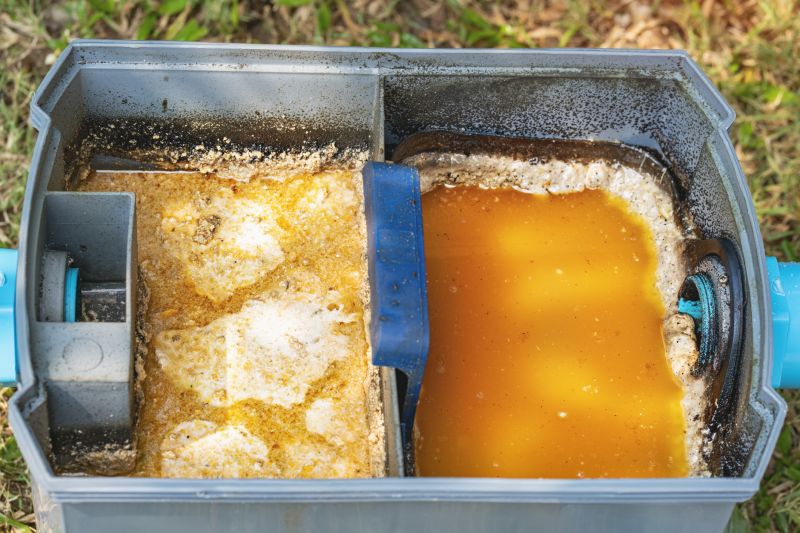
When comparing service providers for grease trap pumping, it is important to consider their experience handling similar projects. An established local contractor with a history of working on properties like yours can offer insights into what to expect and demonstrate familiarity with common challenges. A provider's track record with comparable facilities indicates their understanding of industry standards and their ability to deliver quality work efficiently.
Clear, written expectations are essential when evaluating potential contractors. Detailed service descriptions and scope of work help ensure that both parties are aligned on what will be performed. This transparency minimizes misunderstandings and provides a solid basis for assessing the professionalism of each service provider. Asking for documentation or written proposals can help clarify the services included and establish a clear framework for the project.
Reputable references and effective communication are key factors in selecting a reliable local contractor. References from previous clients can provide insights into the provider’s reliability, quality of work, and customer service. Good communication throughout the process-such as responsiveness to inquiries and clarity in explanations-can make the experience smoother and more predictable. While this site introduces homeowners to local options, it does not perform the work itself, but helps connect people with experienced service providers capable of handling grease trap pumping efficiently and professionally.
Property owners use Grease Trap Pumping services for practical projects around their homes and businesses. This guide focuses on everyday jobs and straightforward project options.
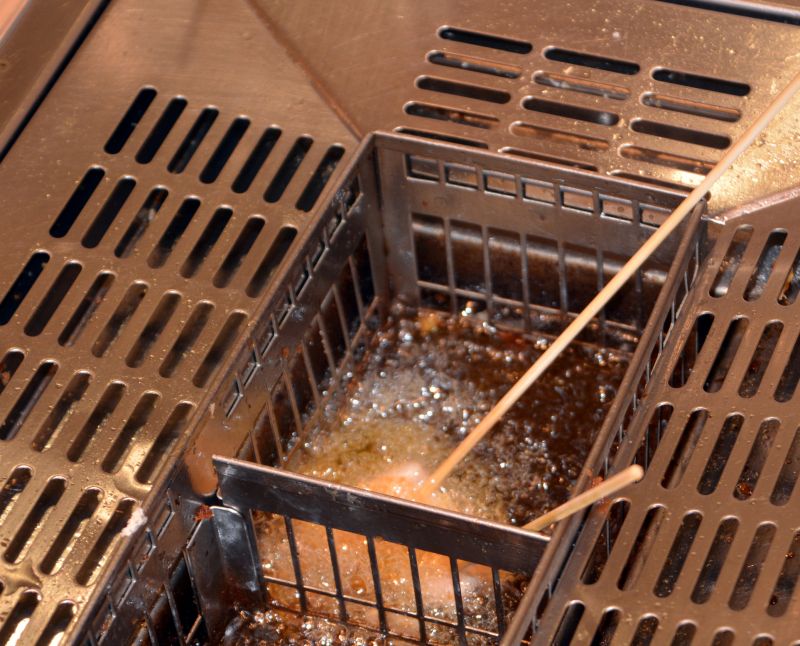
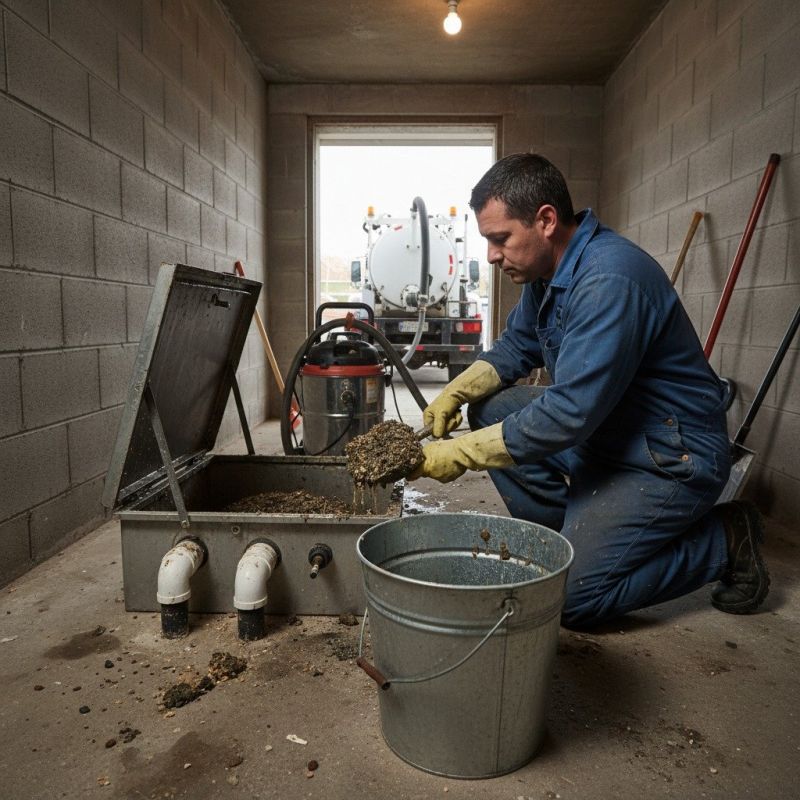
Grease trap pumping services are often needed by property owners managing restaurants, cafes, or other food service establishments. Regular maintenance helps prevent blockages and backups that can disrupt daily operations or lead to unpleasant odors. Additionally, commercial kitchens and food-processing facilities may require routine pumping to comply with health regulations and ensure smooth, hygienic operations.
Residential property owners might also seek grease trap pumping for community or shared-use systems, especially in multi-unit buildings or complexes with on-site dining facilities. Proper maintenance can help avoid costly repairs and keep wastewater systems functioning efficiently. Local contractors specializing in grease trap services can handle these projects, providing the necessary expertise to keep systems clean and operational.
What is grease trap pumping? Grease trap pumping involves removing accumulated fats, oils, and solids from a grease trap to ensure proper functioning and prevent blockages.
Why is regular grease trap pumping important? Regular pumping helps prevent foul odors, backups, and costly plumbing issues by maintaining the trap's effectiveness.
How do local contractors handle grease trap pumping? Local service providers typically use specialized equipment to safely and efficiently remove waste from grease traps on scheduled visits.
What types of properties benefit from grease trap pumping services? Restaurants, commercial kitchens, food processing facilities, and other businesses with grease traps can benefit from professional pumping services.
How can I find local contractors for grease trap pumping? This website can help connect with nearby service providers experienced in grease trap maintenance and pumping services.
Prevent Plumbing Blockages - Regular grease trap pumping helps property owners avoid costly plumbing backups by removing accumulated fats and oils.
Maintain Wastewater Flow - Scheduling routine services ensures that wastewater flows smoothly, reducing the risk of foul odors and system failures.
Comply with Regulations - Property managers can work with local contractors to meet health and environmental standards through proper grease trap maintenance.
Extend System Longevity - Proper pumping and cleaning can help prolong the lifespan of grease traps and related plumbing components.
If you are thinking about Grease Trap Pumping for a property, this guide is meant to help you understand the work, the typical project types, and how different options might fit your plans.
When you are ready, you can use the quote form on this page to share a few details about your project. From there, local pros can review the basics and respond with options that match what you have in mind.